


2026
Stroke Rehabilitation: Looking Beyond the Affected Side | A Whole-Body Approach
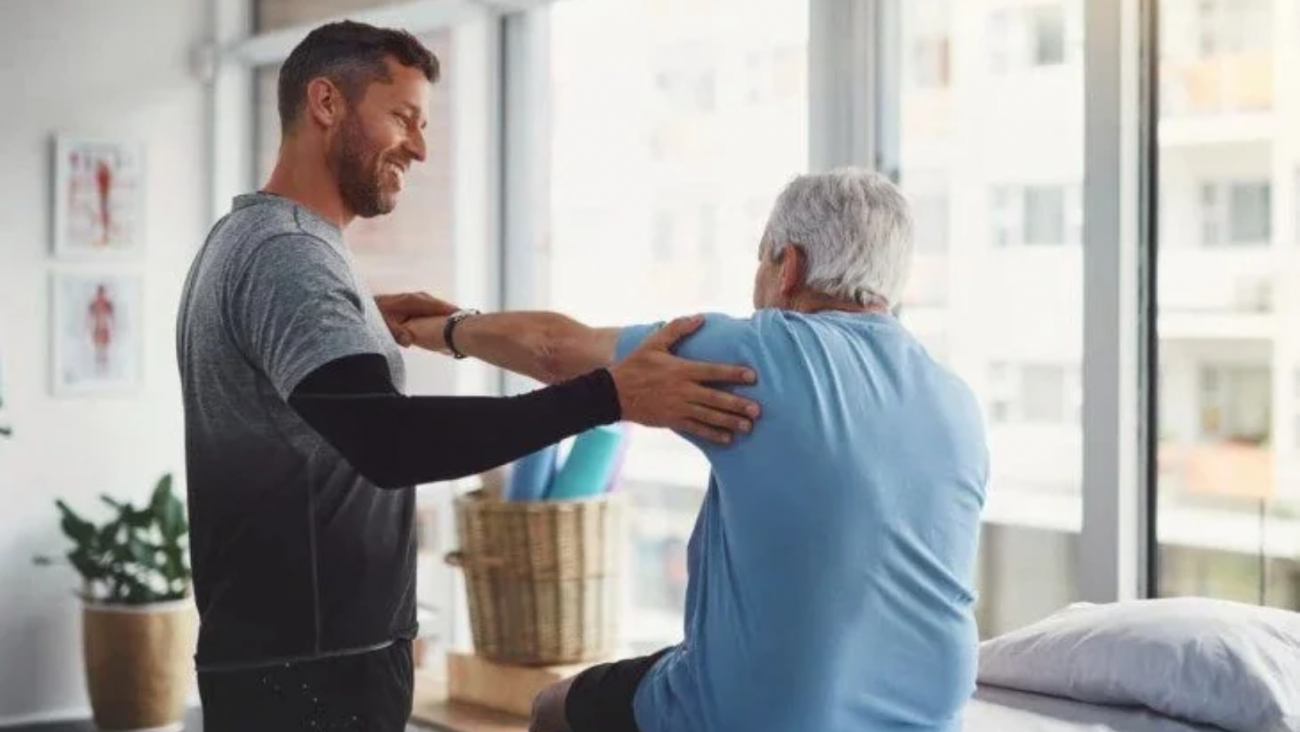
Acupuncture and Stroke Rehabilitation: Why the Whole Body Matters
Recovering from a stroke involves much more than regaining strength in an affected arm or leg. A stroke can change how someone walks, maintains their balance, controls their posture, and performs everyday activities. Even parts of the body that weren't directly affected may begin working differently to compensate.
For example, someone experiencing weakness in their right leg might shift more weight onto their left side when walking. Over time, this can change how their hips, pelvis, spine, and shoulders move together. What began as weakness in one area can gradually influence movement throughout the body.
This is why looking beyond the affected side can be valuable during stroke rehabilitation.
A whole-body approach considers how different regions of the body work together, where compensation has developed, and whether pain, muscle tension, or restricted mobility may be making daily activities more difficult.
View our multidisciplinary allied health team
How a Stroke Can Affect the Rest of the Body
Following a stroke, the brain may have difficulty controlling certain muscles or coordinating movement. The resulting changes aren't always limited to one arm or leg.
Some individuals develop uneven weight distribution, changes in walking patterns, increased muscle stiffness, or difficulty maintaining an upright posture. Others rely heavily on their stronger side to complete everyday tasks.
Consider someone who has difficulty lifting their left arm. They might begin rotating their trunk or raising their shoulder to compensate. Although these movements may help them complete a task, they can also create additional strain or discomfort.
A rehabilitation assessment should therefore consider not only which areas are weak, but also how the person has adapted to that weakness.
Two areas deserve particular attention.
Side-to-Side Balance
The shoulders, spine, pelvis, and hips all contribute to maintaining balance and coordinating movement.
After a stroke, one side of the body may become noticeably weaker or less coordinated. This can affect weight distribution, trunk positioning, and the way someone walks or transfers between sitting and standing.
Looking at how both sides of the body work together can help identify compensations that might otherwise be overlooked.
For instance, someone struggling with balance may not have an issue isolated to their affected leg. Limited hip mobility, reduced trunk control, or excessive reliance on the stronger side could also be contributing.
Understanding these relationships helps rehabilitation professionals develop a more complete picture of the person's movement challenges.
Front-to-Back Balance and Posture
Posture is another important consideration.
Even before experiencing a stroke, someone may have developed movement restrictions or postural habits associated with prolonged sitting, repetitive work, or previous injuries.
Forward-head positioning, rounded shoulders, reduced spinal mobility, and increased muscle tension can all influence how comfortably someone moves.
After a stroke, existing restrictions may become more noticeable, particularly when the body is already working harder to maintain balance and control movement.
The goal isn't to achieve a perfectly straight posture. It's to understand whether mobility restrictions, muscle weakness, or altered movement patterns are interfering with comfortable, functional movement.

Where Acupuncture Fits Into Stroke Rehabilitation
Acupuncture is a form of Traditional Chinese Medicine (TCM) that involves inserting very fine needles at selected points on the body.
In a rehabilitation setting, acupuncture may be considered as a complementary treatment for certain symptoms, particularly pain and musculoskeletal discomfort.
For individuals recovering from a stroke, shoulder pain can be especially frustrating. It may interfere with sleep, dressing, exercise, or participation in physiotherapy.
The Canadian Stroke Best Practice Recommendations recognize acupuncture as a treatment that may be considered alongside conventional rehabilitation for hemiplegic shoulder pain, a type of shoulder pain affecting the weaker or paralyzed side following a stroke.
This is a conditional recommendation for a specific concern, not evidence that acupuncture can reverse stroke-related neurological damage or replace established rehabilitation treatments.
For some patients, addressing pain and discomfort may make it easier to participate comfortably in their prescribed rehabilitation program.
Explore our Acupuncture Services
Combining Traditional Chinese Medicine With Movement Assessment
Traditional Chinese Medicine approaches treatment by considering the patient's overall presentation rather than focusing exclusively on one symptom.
TCM practitioners may assess patterns involving Qi, Blood, Yin, and Yang when developing an individualized treatment plan.
These traditional concepts can be considered alongside an assessment of posture, muscle tension, joint mobility, and movement limitations.
For example, someone seeking treatment for shoulder discomfort after a stroke may also have restricted movement through their upper back or increased tension around the shoulder girdle.
Similarly, someone reporting discomfort while walking might have several contributing movement restrictions involving the hips, pelvis, or trunk.
Looking at these relationships doesn't mean every symptom has the same underlying cause. Rather, it helps identify which concerns may be appropriate to address through acupuncture and which require assessment or treatment by another healthcare professional.

Why Reassessment Matters
Recovery and rehabilitation rarely follow a perfectly predictable path.
Muscle tension, movement ability, comfort, and activity tolerance can change over time. A treatment approach that made sense several weeks ago may need to be reconsidered as someone's condition evolves.
Rather than repeating the same treatment at every appointment, a more individualized approach involves checking how the patient responded to previous sessions and whether their symptoms or functional limitations have changed.
For example, a patient who initially sought help for shoulder discomfort may later report improved comfort but continued restrictions with certain movements. That change provides useful information when considering the next treatment.
Regular reassessment helps keep treatment relevant to the person's current needs instead of relying on a fixed routine.
The Importance of Joint Mobility
Joint mobility plays an important role in everyday activities, from reaching overhead and getting dressed to walking and standing up from a chair.
When movement becomes restricted, other muscles and joints may compensate.
Following a stroke, mobility limitations may arise from several factors, including weakness, changes in muscle tone, pain, and reduced movement.
Some restrictions require targeted physiotherapy or medical management. For appropriate patients, acupuncture may also be considered to help manage associated pain and muscle tension.
The important distinction is that improved comfort or a temporary change in movement does not necessarily represent neurological recovery.
Instead, symptom management may help someone participate more comfortably in the active rehabilitation exercises that remain central to regaining function.
Is It Ever Too Late to Begin Stroke Rehabilitation?
One of the most common concerns following a stroke is whether someone has missed their opportunity to improve.
Early rehabilitation is important. Canadian stroke guidelines recommend beginning appropriate rehabilitation once a person is medically stable and able to participate. The timing and intensity should always be determined by the medical and rehabilitation team.
However, rehabilitation isn't limited to the first few weeks or months after a stroke.
People living with the long-term effects of a stroke may still benefit from individualized rehabilitation focused on mobility, strength, balance, daily activities, and maintaining independence.
Progress varies considerably between individuals, and not everyone will recover the same abilities. Even so, meaningful rehabilitation goals can remain relevant years after a stroke.

Why a Multidisciplinary Approach Matters
Stroke recovery is complex, and no single treatment addresses every aspect of rehabilitation.
Physiotherapists may work on walking, strength, balance, motor control, and functional movement. Occupational therapists can help people regain independence with daily activities, while kinesiologists, medical and other rehabilitation professionals address specific physical, neurological, cognitive, or communication needs.
Acupuncture may have a complementary role when appropriate, particularly when pain or musculoskeletal discomfort is interfering with rehabilitation.
At Genuine Athletics & Rehabilitation in South Surrey, Registered Acupuncturist Jing Li brings more than eight years of clinical experience, including a background in orthopedic rehabilitation, pain management, and musculoskeletal conditions. His approach combines Traditional Chinese Medicine with an assessment of posture, joint mobility, and movement patterns.
Working within a multidisciplinary clinic also creates opportunities for collaboration with physiotherapists and other rehabilitation professionals when appropriate.
The objective is to ensure each treatment serves the individual's needs rather than treating acupuncture as a replacement for conventional stroke care.
Looking Beyond the Affected Side
A stroke can change how the entire body moves, not just the areas most directly affected.
Weakness, altered posture, changes in muscle tone, joint restrictions, and compensatory movement patterns can all influence someone’s comfort and functional ability.
Taking a whole-body perspective helps clinicians consider these relationships when evaluating the person's needs.
Acupuncture may offer an additional option for managing certain symptoms, but the foundation of stroke recovery remains appropriate medical care, individualized rehabilitation, and active participation in treatment.
For individuals in Surrey, South Surrey, and White Rock exploring complementary care, registered acupuncture at Genuine Athletics & Rehabilitation is available within a multidisciplinary rehabilitation environment.
The focus is simple: understand the person's individual challenges, address appropriate concerns, and support their broader rehabilitation goals.

Medical Disclaimer: This article is intended for general education and does not replace medical advice. Acupuncture is a complementary therapy and should not replace neurological care, physiotherapy, occupational therapy, or other medically indicated stroke rehabilitation. Individuals recovering from a stroke should consult their healthcare team before introducing new treatments. A suspected new stroke is a medical emergency; call 911.
Schedule your Initial Acupuncture visit
References
Canadian Stroke Best Practices: Shoulder Pain Following Stroke
Canadian Stroke Best Practice Recommendations: Rehabilitation Planning, 2025 Update


