


Concussion & Vestibular Management Surrey/White Rock
Concussion symptoms, dizziness, vertigo, headaches, balance issues, and post-concussion syndrome can have a major impact on your ability to work, exercise, play sports, and function in daily life. At Genuine Athletics & Rehabilitation, we provide evidence-based concussion management and vestibular physiotherapy in South Surrey and White Rock to help individuals recover safely, effectively, and confidently.
Our physiotherapists specialize in concussion rehabilitation, vestibular therapy, vertigo treatment, and balance rehabilitation for individuals recovering from sports injuries, motor vehicle accidents (ICBC claims), falls, workplace injuries, and chronic dizziness-related conditions. Every treatment plan is tailored to the individual and may include vestibular rehabilitation exercises, balance and coordination training, visual retraining, symptom management strategies, and graded return-to-sport or return-to-work programming.
Whether you are experiencing dizziness, motion sensitivity, headaches, brain fog, balance problems, or lingering post-concussion symptoms, our team is committed to helping you restore function, improve performance, and get back to the activities you enjoy most.
What are common myths regarding concussion?
Myth 1: I should avoid all light and noise if I have a concussion.
Fact: It is true that light and noise should be limited in the early stages; however, they should not be completely avoided. Total avoidance may increase sensitivity over time and delay recovery. Instead, a gradual and controlled reintroduction to light and sound, within symptom tolerance, is recommended to support recovery.
Myth 2: You should just “sleep it off.”
Fact: Rest is important early on, but prolonged complete rest is not recommended. Gradual return to light activity usually supports recovery better.
Myth 3: If your scan (CT/MRI) is normal, you don’t have a concussion.
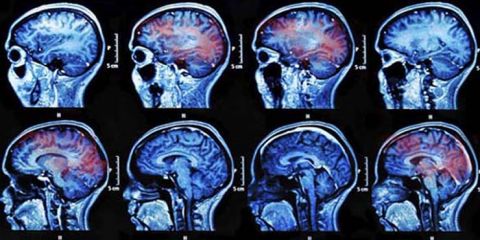
Fact: Concussions typically do not show up on standard imaging. Diagnosis is based on symptoms and clinical assessment.
Myth 4: You’re fine once the headache is gone.
Fact: Other symptoms like balance issues, brain fog, or concentration problems may still be present even after headaches improve.
What is Vertigo?
Vertigo is a symptom that causes a false sensation of movement, most commonly described as feeling that you or your surroundings are spinning, tilting, or rocking when no actual movement is present. It is not a diagnosis on its own but rather a symptom of an underlying condition such as benign paroxysmal positional vertigo (BPPV), head injury, concussion, or inner ear dysfunction.

Restore Balance, Stability & Confidence with Vestibular Physiotherapy
Your vestibular system plays a critical role in balance, coordination, spatial awareness, and how your body interprets movement. When this system is disrupted, whether from a concussion, vertigo, inner ear condition, or other neurological issue, it can lead to dizziness, unsteadiness, poor coordination, and difficulty with daily activities.
Vestibular therapy uses targeted exercises and evidence-based rehabilitation techniques to retrain the brain and body to work together more effectively. By improving balance, coordination, visual tracking, and movement control, vestibular rehabilitation can help reduce symptoms, restore confidence, and get you back to work, sport, and the activities you enjoy most.
Frequently Asked Questions
Get common answers for concussion management and vestibular therapy in Surrey


